In the Company of Jane Austen
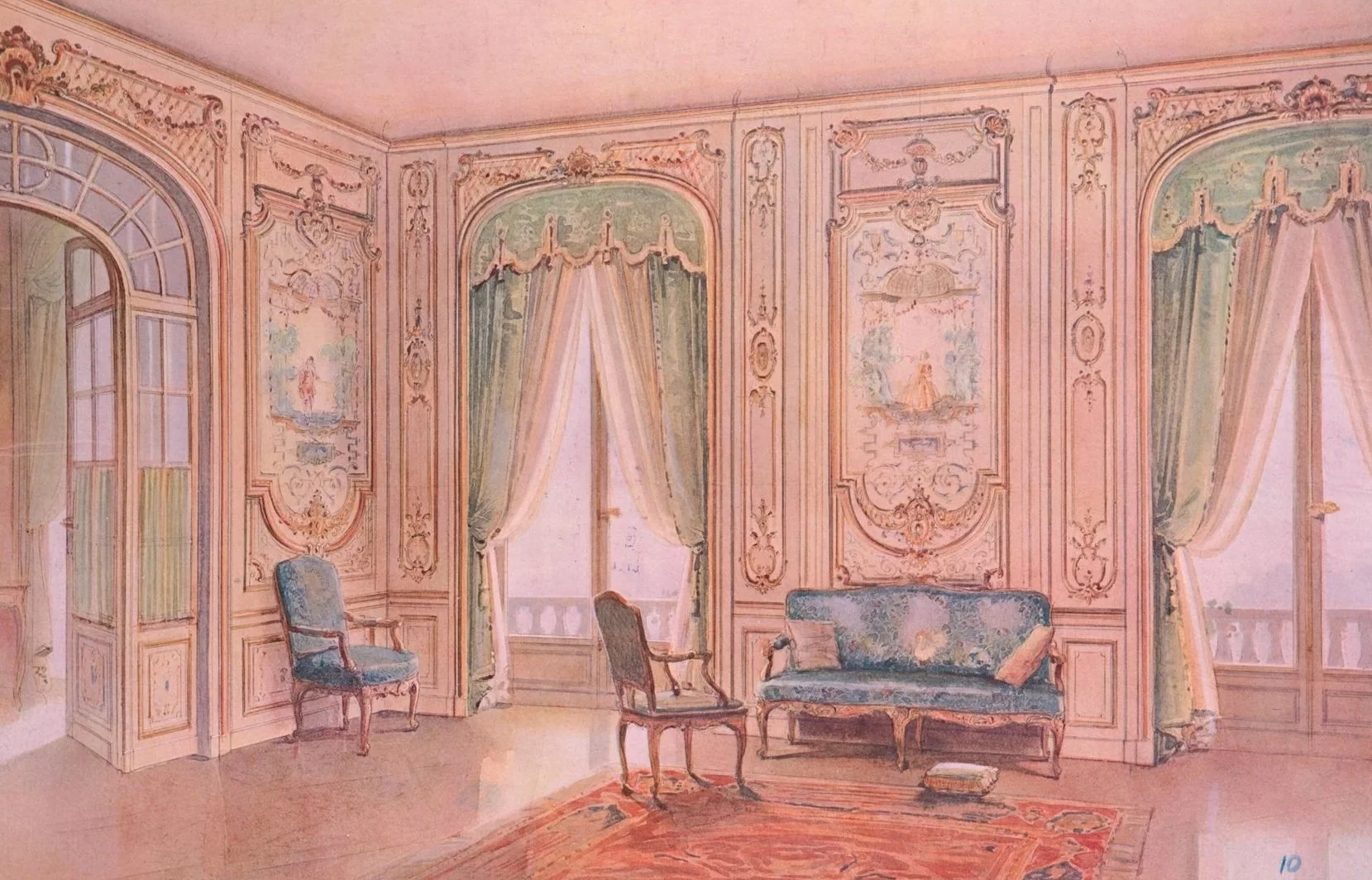
More times than I like to admit, the world can become overwhelming, casting grey clouds and torrential rains across our skies, sending us searching for shelter and reprieve from our troubles. In moments like these, as generations before me have, I often find myself stumbling back into the warm, familiar interiors and quiet domestic society of Jane Austen.
Rather than the intimidation of a literary giant, Miss Austen is a writer who approaches with steady, comforting companionship. She has been with me through every season of my life, long before my own chance encounters, stolen glances, heartbreak, and happy endings. And it was she who first took my hand and led me gently into the world of literature.
“One does not love a place the less for having suffered in it, unless it has been all suffering, nothing but suffering.”
— Persuasion
From a small, but comfortable home in rural Regency England came the playful imaginings of a woman whose world was shaped by close family and a handful of dear friends. Published initially in anonymity, by an unmarried writer of modest means, her novels were met with quiet, early success. It would soon become clear, however, that these stories of courtship and commonplace marriage schemes would become a beloved and enduring record of life within the constraints of the landed gentry.
Austen’s sharp wit and perceptive observations on social class, marriage, and moral conduct would effortlessly traverse centuries, cultures, and languages, continuing to speak to readers far removed from her own time and place. In her careful attention to the quiet dramas of ordinary life, she reveals emotional truths that remain unchanged by time. To this day, her works continue to offer clarity, pleasure, and consolation long after her own brief life had ended, reminding us that human nature, in all its complexity, is both enduring and deeply familiar.
“But people themselves alter so much, that there is something new to be observed in them for ever.”
— Pride and Prejudice
And so we step inside her pages. Austen’s writings are rich with detail – the sweeping grounds of Pemberley, the crowded assemblies of Bath, and the invigorating walk to Loungbourn – and she paints her characters with an emotional intelligence that feels unmistakably alive and breathing. We come to anticipate the amusing party exchanges with Mr. Tilney and to dread, with affectionate exasperation, another evening spent in the company of Mr. Collins.
Her mastery of human emotion is guided by moral clarity and delivered always with a delicate touch of humor. It is through her heroines that this gentle wisdom comes to life. We find ourselves drawn to Lizzie’s confidence, Elinor’s composure, and Fanny’s quiet strength, seeking to cultivate these qualities within our own lives.
More than just crafting fully realized characters, Austen treats the women she writes with deep respect and empathy. Emma Woodhouse is snobbish, spoiled, and vain – unlikable to the point that her creator famously supposed she was a character “whom no one but myself will much like.” Yet we are never able to truly resent Emma for these failings. Instead, we accompany her through self-reckoning and gradual growth, finding redemption in her devotion to her father and her sincere capacity for reflection.
In Emma, we glimpse our own faults, our well-meaning misjudgments, careless words, and quiet vanities. Austen exposes these imperfections without cruelty and offers correction without humiliation, allowing us to also improve ourselves with patience and grace. Her heroines, in all their complexity, feel achingly human, and it is this humanity that draws us closer.
“We have all a better guide in ourselves, if we would attend to it, than any other person can be.”
— Mansfield Park
Perhaps you first found your way to Austen through Pride and Prejudice, the undisputed gateway - as it was to me - into her drawing room. Perhaps Austen herself sensed her own magic, once worrying that the story would be “too light, and bright, and sparkling.” Yet I believe this very brilliance is what continues to call us back.
Despite knowing these stories by heart, we still swoon at Darcy’s transformation and hold our breath each time we reach Captain Wentworth’s letter. There is deep comfort in this assurance of happiness, in the emotional reliability of endings that heal rather than wound - especially when the unknown looms so heavily before us. We may live in a world that praises melancholy as seriousness and restraint as sophistication, but even Shakespeare gave us comedies alongside his tragedies. Perhaps, like Austen, he understood the profound courage it takes to believe in joy.
“There are as many forms of love as there are moments in time.”
— Sense and Sensibility
Jane Austen’s works are available through Bookshop, which supports independent bookstores.